
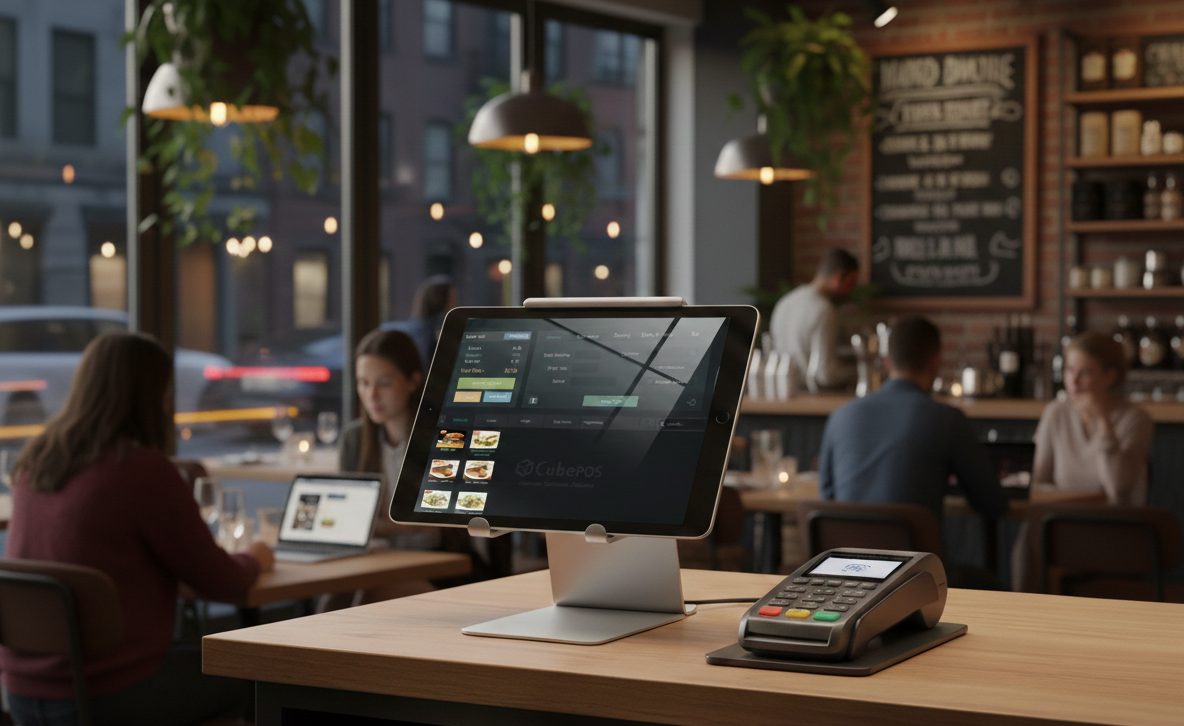
The aroma of freshly baked bread, the clinking of glasses, the murmur of satisfied diners – these are the timeless elements of a great restaurant experience. Yet, beneath this familiar facade, the UK hospitality industry is undergoing a profound transformation. At the heart of this shift lies the humble Electronic Point of Sale (EPOS) system, a technology that has evolved far beyond its initial function as a glorified cash register. For UK restaurants navigating the turbulent waters of rising costs, evolving customer expectations, and intense competition, a sophisticated EPOS system is no longer a luxury but an indispensable tool for survival and growth.
Authority & Thought Leadership: The UK Angle
The UK restaurant landscape is unique, characterised by a blend of traditional pubs, bustling city eateries, innovative fine dining establishments, and a rapidly expanding casual dining sector. This diverse environment presents both opportunities and challenges for technology providers and restaurateurs alike. The adoption of EPOS technology in the UK has been steadily increasing, driven by a growing awareness of its benefits in streamlining operations, enhancing customer service, and providing invaluable business insights. However, the true potential of these systems is only now beginning to be fully realised.
As thought leaders in the UK hospitality tech space, we've witnessed firsthand the evolution of EPOS systems from basic transaction processors to comprehensive business management platforms. We understand the specific pain points faced by UK restaurateurs – from navigating complex VAT regulations and staff shortages to the ever-present pressure of food cost inflation. Our insights are grounded in extensive research, industry partnerships, and a deep understanding of the unique regulatory and cultural nuances that shape the British dining experience. This blog post aims to cut through the noise, offering actionable insights and strategic guidance for UK restaurants looking to leverage EPOS technology for a competitive edge.
The Future of Restaurant EPOS Systems in the UK
The future of restaurant EPOS in the UK is dynamic and exciting, driven by advancements in cloud computing, artificial intelligence (AI), and the Internet of Things (IoT). We are moving towards a fully integrated ecosystem where every aspect of a restaurant's operation is interconnected and intelligent.
Cloud-Based Dominance: The shift from on-premise to cloud-based EPOS systems is almost complete. Cloud solutions offer unparalleled flexibility, scalability, and accessibility, allowing restaurateurs to manage their business from anywhere, at any time. This is particularly crucial for multi-site operators and those looking to expand. Real-time data syncs, automatic updates, and enhanced security features are just some of the advantages that will solidify the cloud's position as the backbone of future EPOS.
AI and Machine Learning for Predictive Insights: Imagine an EPOS system that can predict your busiest hours, recommend optimal staffing levels, or even suggest menu adjustments based on sales patterns and local events. This is the promise of AI and machine learning. These technologies will move beyond simply reporting data to actively analysing it, identifying trends, and offering prescriptive advice. For example, AI could analyse historical sales data, weather forecasts, and local sporting events to accurately predict demand for specific dishes, minimising waste and optimising inventory.
Seamless Integrations and Ecosystems: The future EPOS will be less of a standalone system and more of a central hub, seamlessly integrating with a vast array of other restaurant technologies. This includes online ordering platforms (Deliveroo, Uber Eats), reservation systems (OpenTable), loyalty programs, inventory management software, staff scheduling tools, and even kitchen display systems (KDS). This interconnectedness will eliminate data silos, reduce manual data entry, and provide a holistic view of the business.
Hyper-Personalisation: Customers increasingly expect personalised experiences. Future EPOS systems, coupled with CRM (Customer Relationship Management) functionality, will enable restaurants to recognise returning customers, remember their preferences, and even offer tailored promotions. Imagine a system that suggests a customer's favourite wine or alerts staff to dietary requirements before they even order. This level of personalisation will foster stronger customer loyalty and enhance the dining experience.
Voice Commerce and Conversational AI: As voice assistants become more prevalent in our daily lives, their integration into EPOS systems is a natural progression. Customers might soon be able to place orders through voice commands, or staff could use voice interfaces to quickly check inventory or table availability. Conversational AI can also enhance customer service by answering common questions or guiding customers through the ordering process.
Enhanced Payment Solutions: The evolution of payment technologies will continue at a rapid pace. Beyond contactless and mobile payments, we can expect to see wider adoption of biometric payments, cryptocurrency options, and even pay-at-table solutions that streamline the checkout process and free up staff.
How Technology Is Changing the UK Hospitality Industry
Technology is not just tweaking the edges of the UK hospitality industry; it's fundamentally reshaping its core. From the back office to the front of house, innovation is driving efficiency, enhancing customer satisfaction, and creating new revenue streams.
Operational Efficiency and Cost Reduction: This is arguably the most immediate and significant impact. Restaurant EPOS systems automate numerous manual processes, from order taking and inventory tracking to sales reporting and staff scheduling. This automation reduces errors, saves labour costs, and allows staff to focus on customer service rather than administrative tasks. For instance, integrated inventory management helps minimise food waste, a critical factor in combating rising costs.
Improved Customer Experience: Technology empowers restaurants to deliver superior customer service. Online booking systems, digital menus with allergen information, and self-ordering kiosks cater to modern customer preferences for convenience and transparency. Furthermore, accurate order taking via handheld devices reduces mistakes and speeds up service, leading to happier diners. Loyalty programs managed through EPOS systems encourage repeat business and make customers feel valued.
Data-Driven Decision Making: The sheer volume of data generated by modern EPOS systems is a goldmine for restaurateurs. Sales trends, popular dishes, peak hours, staff performance – all this information can be analysed to make informed decisions about menu engineering, marketing strategies, staffing levels, and promotional offers. This move towards data-driven management replaces guesswork with quantifiable insights, leading to more profitable outcomes.
Enhanced Marketing and Branding: EPOS systems often integrate with CRM and marketing tools, allowing restaurants to collect customer data and segment their audience for targeted marketing campaigns. From email newsletters about new menu items to personalised discounts for loyal customers, technology enables more effective and measurable marketing efforts. Digital menus and online presence also contribute to a restaurant's brand image and reach.
Streamlined Back-of-House Operations: Beyond the front counter, technology is transforming kitchen operations. Kitchen Display Systems (KDS) eliminate paper tickets, improve order accuracy, and streamline communication between front and back of house. Recipe management software ensures consistency, while integrated inventory systems help manage stock levels and track ingredient usage, preventing wastage and reducing procurement costs.
Adaptability and Resilience: The recent global challenges highlighted the critical importance of adaptability. Technology, particularly cloud-based EPOS, allowed many UK restaurants to pivot rapidly to online ordering, takeaway, and delivery models. This agility is no longer a niche capability but a fundamental requirement for business continuity in an unpredictable world.
Why EPOS Systems Are No Longer Just Tills for UK Restaurants
The era of the "dumb till" is long over. For UK restaurants, an EPOS system is now the central nervous system of their entire operation. Its capabilities extend far beyond simply processing transactions.
Comprehensive Business Management: Modern EPOS systems are powerful business management tools. They integrate with every facet of a restaurant, from managing reservations and table assignments to tracking employee hours and processing payroll. This holistic approach provides a single source of truth for all business operations.
Inventory and Stock Control: This is a crucial area where EPOS systems add immense value. By tracking ingredients as they are used in dishes, monitoring stock levels, and generating automatic reorder alerts, EPOS helps minimise waste, prevent stockouts, and ensure consistent availability of menu items. This directly impacts profitability, especially with fluctuating food prices.
Menu Management and Engineering: EPOS allows for dynamic menu management. Restaurateurs can easily add or remove items, adjust prices, apply discounts, and manage special offers across multiple locations from a central dashboard. Furthermore, detailed sales reports enable "menu engineering" – identifying high-profit, popular items and optimising the menu for maximum profitability.
Staff Management and Performance Tracking: EPOS systems facilitate efficient staff management. They can track employee hours, manage shifts, calculate tips, and even monitor individual staff performance. This data helps in optimising staffing levels during peak and off-peak hours, ensuring adequate coverage and managing labour costs effectively.
Customer Relationship Management (CRM): Many EPOS solutions now include integrated CRM functionalities. This allows restaurants to capture customer data, track their order history, manage loyalty programs, and send targeted marketing communications. Building a strong customer database is vital for fostering loyalty and driving repeat business.
Reporting and Analytics: This is where the true power of a modern EPOS system shines. Beyond basic sales reports, advanced analytics provide deep insights into sales trends, popular dishes, peak performance times, staff efficiency, and much more. These reports are customisable and can be accessed in real-time, empowering restaurateurs to make proactive, data-driven decisions.
Multi-Location Management: For restaurant groups and franchises, a robust EPOS system is essential for managing multiple locations from a central point. This includes standardising menus, pricing, promotions, and reporting across all outlets, ensuring consistency and operational efficiency.
How UK Restaurants Can Use EPOS Data to Survive Rising Costs
The current economic climate, characterised by soaring energy prices, food inflation, and labour shortages, presents unprecedented challenges for UK restaurants. However, the data generated by advanced EPOS systems offers a powerful weapon in this battle for survival.
Optimise Menu Pricing and Engineering:
Costing Analysis: EPOS data allows for precise costing of every dish. By understanding the exact ingredient cost of each item, restaurants can adjust selling prices to maintain healthy profit margins without alienating customers.
Popularity vs. Profitability: Reports can identify "stars" (high popularity, high profit), "ploughs" (high popularity, low profit), "puzzles" (low popularity, high profit), and "dogs" (low popularity, low profit). This insight enables strategic menu adjustments – perhaps increasing the price of a plough slightly, promoting a puzzle, or removing a dog.
Ingredient Substitution: If a particular ingredient sees a sharp price increase, EPOS data can quickly highlight its impact on dishes, prompting a search for alternative suppliers or temporary menu changes.
Reduce Food Waste and Improve Inventory Management:
Accurate Forecasting: By analysing historical sales data, seasonal trends, and even external factors (e.g., local events), EPOS can help forecast demand more accurately, leading to more precise ordering and less spoilage.
Portion Control: Integrated recipe management within the EPOS ensures consistent portion sizes, preventing over-serving and unnecessary waste.
Expiry Tracking: Some advanced systems can track ingredient expiry dates, ensuring that older stock is used first and minimising spoilage.
Supplier Negotiation: Detailed purchase reports from the EPOS provide leverage when negotiating with suppliers, identifying opportunities for bulk discounts or alternative vendors.
Optimise Staffing Levels and Labour Costs:
Peak Hour Analysis: EPOS data clearly shows peak trading hours and days, allowing managers to schedule staff more efficiently, avoiding overstaffing during quiet periods and understaffing during busy times.
Staff Performance Metrics: Tracking sales per employee can identify top performers and areas where training might be needed, ultimately improving overall service efficiency.
Absence Management: Integrated staff scheduling features help manage holidays and sickness, ensuring adequate cover without incurring excessive overtime.
Targeted Marketing and Promotions:
Customer Segmentation: EPOS data, combined with CRM, can segment customers based on their spending habits, preferences, and visit frequency. This allows for highly targeted promotions that are more likely to resonate and drive incremental sales.
Effective Promotions: By tracking the sales uplift generated by specific promotions, restaurants can determine which offers are genuinely effective and which are simply eroding margins.
Upselling and Cross-selling: Staff can be trained to use EPOS insights to intelligently upsell complementary items or cross-sell popular dishes, increasing average transaction value.
Identify and Plug Leakages:
Void and Discount Tracking: EPOS systems provide detailed reports on voids, refunds, and discounts. Unusual patterns can highlight potential training issues, operational errors, or even theft.
Cash Reconciliation: Automated cash reconciliation features significantly reduce discrepancies and improve accountability.
Theft Prevention: By closely monitoring inventory and sales, EPOS helps to identify discrepancies that could indicate internal theft.
Understand Customer Preferences and Trends:
Popular Dishes: Knowing which dishes are consistently selling well and which are not allows restaurants to refine their menu, investing in popular items and removing underperformers.
Dietary Trends: EPOS data can reveal growing trends in dietary preferences (e.g., vegan, gluten-free), enabling restaurants to adapt their offerings to meet evolving customer demands.
Feedback Integration: Some EPOS systems integrate with feedback platforms, allowing restaurants to connect sales data with customer sentiment, providing a more complete picture of satisfaction.
In conclusion, the modern EPOS system is far more than a transactional device for UK restaurants. It is a strategic asset, a data powerhouse, and a fundamental tool for navigating the complexities of the contemporary hospitality landscape. By embracing these advanced technologies and leveraging the rich data they provide, UK restaurants can not only survive the current economic challenges but thrive, innovate, and continue to deliver exceptional dining experiences to their customers. The future of UK hospitality is intrinsically linked to the intelligent adoption and masterful utilisation of cutting-edge EPOS solutions.