
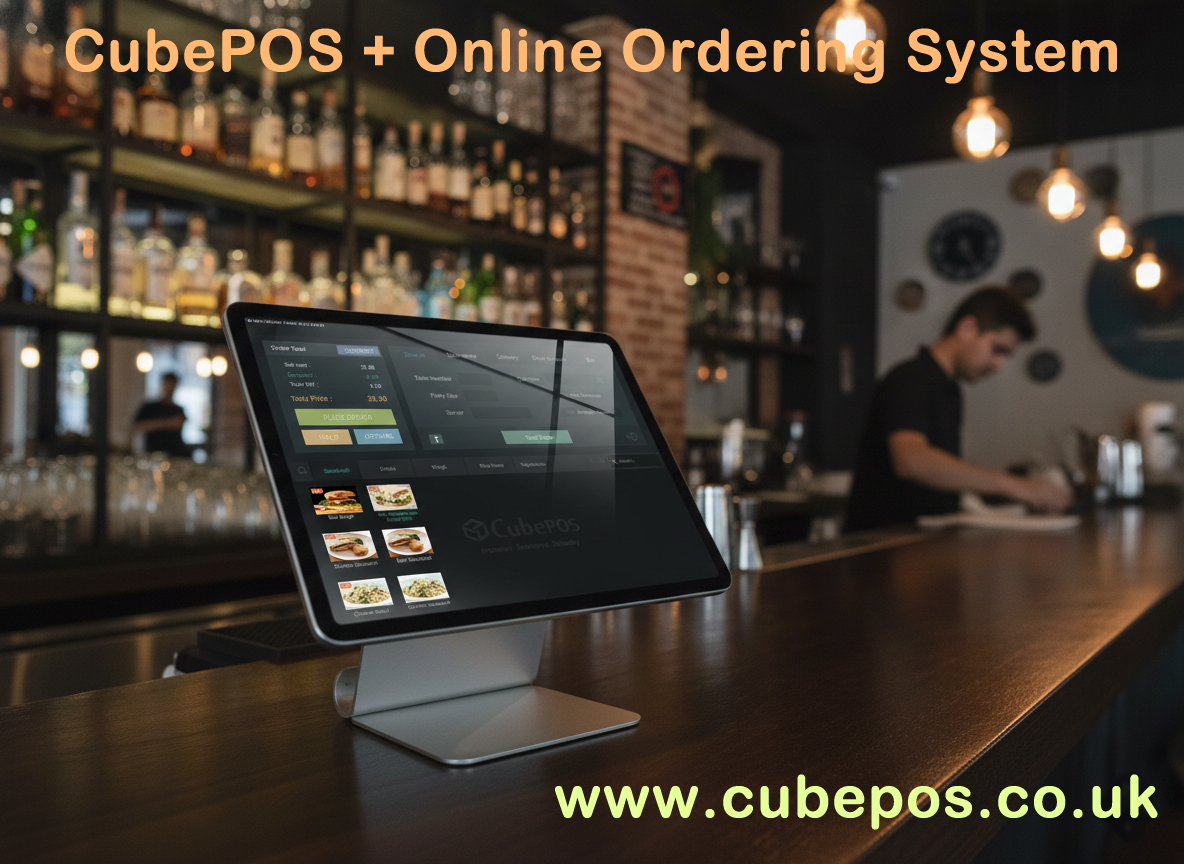
Running a restaurant in the UK today is faster, more competitive, and more technology-driven than ever before. Customers expect speed, accuracy, and seamless payments — while owners need real-time insight into sales, staff performance, and costs.
That’s where a modern iPad-based EPOS (Electronic Point of Sale) system comes in.
But here’s the challenge: with dozens of EPOS options promising efficiency and savings, how do you actually choose the right system for your restaurant?
This guide breaks down exactly what UK restaurant owners should look for — without jargon — so you can make a confident, informed decision.
Why Modern Restaurants Are Moving to iPad EPOS Systems
Traditional till systems were built for a different era. They processed payments, printed receipts, and… that was about it. Modern iPad EPOS systems are cloud-based business tools designed to support the entire restaurant operation.
Today’s restaurants need systems that:
Handle high-volume transactions smoothly
Track inventory in real time
Reduce ordering mistakes
Provide detailed reporting
Support contactless and mobile payments
Work across multiple locations
An iPad EPOS combines intuitive touchscreen design with cloud connectivity, giving owners access to live data from anywhere. That alone changes how decisions are made.
Instead of reacting after problems occur, you gain visibility into performance as it happens.
What an iPad Restaurant EPOS Actually Does
Think of your EPOS as the operational hub of your restaurant — not just a payment terminal.
A modern system typically manages:
Order Processing
Staff take orders directly on the iPad, reducing handwritten errors and improving speed. Orders flow instantly to kitchen displays or printers.
Payment Handling
Chip & PIN, contactless, Apple Pay, and mobile wallets integrate seamlessly — essential for modern UK customers.
Inventory Tracking
Ingredients update automatically as items are sold, helping prevent stock surprises.
Reporting & Analytics
Daily sales, peak hours, menu performance, and staff metrics are visible in dashboards — not spreadsheets.
Staff Management
Permissions, clock-ins, and activity tracking reduce admin headaches.
In short, your Restaurant ePOS becomes a real-time decision tool, not just a register.
Key Features UK Restaurant Owners Should Prioritise
When comparing systems, flashy marketing often distracts from what truly matters. Focus on features that directly improve service and profitability.
1. Speed & Reliability
Restaurants cannot afford lag or crashes during busy periods. A strong EPOS should function smoothly even with high transaction volume.
Look for:
Offline mode capability
Fast sync speeds
Reliable hardware integration
2. Cloud Accessibility
Cloud-based systems allow you to:
Monitor performance remotely
Access live sales data
Manage menus instantly
This is especially valuable for multi-site operators.
3. Inventory Integration
Manual stock tracking leads to waste and unexpected shortages. A good EPOS connects sales directly to stock levels.
4. Reporting That Drives Decisions
Data should be actionable, not overwhelming. Clear dashboards help owners identify:
Best-selling items
Slow-moving stock
Peak trading hours
5. Payment Flexibility
UK diners increasingly expect quick, cashless transactions. Ensure your EPOS supports modern payment standards securely.
6. Ease of Use
Staff turnover is common in hospitality. A system that takes hours to train creates friction. Intuitive design saves time and reduces mistakes.
Hidden Factors Most Buyers Overlook
Even experienced operators sometimes focus only on upfront pricing. Long-term usability matters just as much.
Training & Support
Responsive UK-based support can prevent costly downtime. Ask:
Is support 24/7?
Is onboarding included?
Integration Compatibility
Your EPOS should connect smoothly with:
Accounting software
Delivery platforms
Kitchen displays
Disconnected systems create operational blind spots.
Scalability
If you expand or add locations, your EPOS should grow with you — not require replacement.
Understanding ePOS Costs in the UK
Pricing varies based on features, hardware, and support levels. Typically, restaurant owners encounter:
Hardware investment (iPads, terminals, printers)
Monthly software subscriptions
Support or service packages
The key is to evaluate cost against operational improvement — not price alone.
A cheaper system that causes slow service or reporting headaches quickly becomes expensive in lost efficiency.
Real-World Impact: How the Right EPOS Changes Operations
Restaurant owners who upgrade often notice immediate improvements:
Faster Service
Orders move instantly from front-of-house to kitchen, reducing delays.
Fewer Errors
Digital entry lowers miscommunication and incorrect bills.
Better Decision-Making
Owners gain clarity on menu performance and staffing needs.
Improved Customer Experience
Smooth transactions and faster turnaround enhance satisfaction.
These operational gains compound daily, affecting revenue and staff morale.
Matching the EPOS to Your Restaurant Type
Different operations benefit from different priorities.
Cafés & Small Restaurants
Focus on simplicity, speed, and inventory basics.
Busy Casual Dining
Reliability and kitchen integration are critical.
Multi-Location Groups
Cloud management and reporting consistency matter most.
Takeaways & Delivery-Focused Businesses
Integration with online ordering platforms is essential.
Choosing based on operational needs — not generic features — leads to better long-term results.
Signs It’s Time to Upgrade Your Current System
If your existing till causes frustration, it may be limiting growth.
Common warning signs include:
Frequent system crashes
Slow checkout during peak hours
Manual inventory tracking
Limited reporting
Difficulty integrating payments
Modern EPOS systems aren’t just replacements — they’re upgrades to how your business runs.
Practical Buying Checklist
Before committing, ask yourself:
? Does the system handle peak traffic reliably?
? Can I access real-time data remotely?
? Will it integrate with my current tools?
? Is training straightforward for new staff?
? Does support respond quickly?
? Can it scale as my restaurant grows?
A confident “yes” to these questions indicates a strong match.
The Long-Term Value of Choosing Wisely
An EPOS system touches nearly every part of restaurant operations. The right choice delivers:
Faster service
Better financial insight
Reduced admin workload
Improved staff productivity
Higher customer satisfaction
Viewed this way, EPOS isn’t an expense — it’s infrastructure for growth.
Final Thoughts
Choosing an iPad restaurant EPOS system in the UK isn’t about chasing technology trends. It’s about equipping your restaurant with tools that simplify operations and support smarter decisions.
The best system is one that:
Fits your workflow
Scales with your ambitions
Improves daily efficiency
Provides clarity, not complexity
Invest the time to evaluate your needs carefully. A modern EPOS should feel less like a machine — and more like a business partner working quietly behind the scenes.